It’s not just “nice” to give your clients a great experience. It’s one of the top things that will lead to repeat bookings and the kind of reputation that keeps your calendar full.
And here’s the part most equine pros miss: your client experience starts before the first lesson, session, or credit card swipe. It starts the second someone finds you online and tries to figure out how to work with you.
Below are 5 simple upgrades you can implement without overhauling your whole business.
In this article, you’ll learn:
- How to make it ridiculously easy for clients to inquire + book
- What to include in a “welcome packet” (and why it saves you time)
- How a CRM keeps you organized without feeling corporate
- Easy bonus ideas that make clients feel taken care of
- A simple referral system that actually gets used
Table of Contents
1. Make it Easy to Get in Touch with You
Believe it or not, the experience begins the moment a client finds you. If someone is excited to work with you but has to hunt for your email address or guess what to do next, frustration sets in fast.
Your goal: make the next step obvious.
Quick checklist: “Easy to Contact” basics
- A clear button in your header (example: Book a Lesson, Request Training Info, Schedule Bodywork, Contact)
- A dedicated contact page (not buried)
- Your response timeframe (example: “I reply within 48 business hours”)
- A simple inquiry form that collects the right info (horse age, discipline, goals, location)
- A backup contact method (email address listed under the form)
- If you’re a facility: basic directions + city/state + a map link
Pro tip: Put your primary CTA button in two places: top navigation + end of the post. People don’t scroll politely. They click when they’re ready.
2. Send a Welcome Packet to New Clients
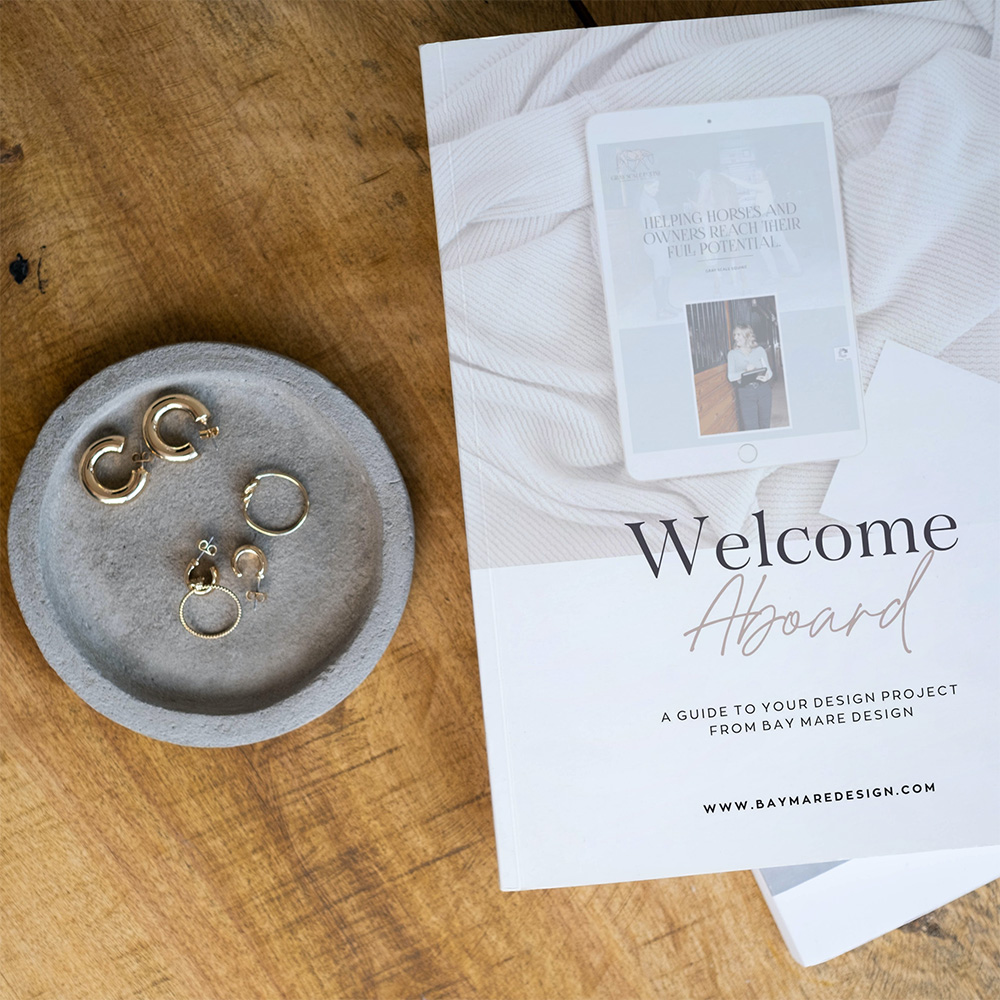
A welcome packet is one of the easiest ways to instantly feel more professional without changing your actual service.
It also prevents the endless back-and-forth of “Wait, what time?” “Where do I park?” “What do I bring?” (You know the drill.)
What to include in your welcome packet
The Basics
- What to expect (first session/visit timeline)
- What your client should bring (and what you provide)
- Policies (cancellation, lateness, weather, payments)
- How to contact you (and when you respond)
Horse Specific
- Parking instructions + “what gate do I use?” details
- Facility rules (helmets, dogs, children, arena etiquette)
- Safety notes (arrive early, tie areas, where to stand, etc.)
- If you travel: service area + travel fees
Professional Details
- What’s included in their package
- Payment schedule
- FAQs (the top 5 questions you always get)
- A short “about me” section that builds trust
Pro tip: Send it automatically after inquiry or booking (email automation or CRM). It feels high-end and saves your brain.
3. Use a CRM to Streamline the Client Experience
There’s nothing worse than wasting time – yours or your clients’. A CRM (Client Relationship Management system) helps you manage inquiries, appointments, reminders, and payments all in one place.
This is especially helpful if you juggle multiple clients, travel appointments, or recurring services like training and board.
What a CRM can handle for you
- Inquiry confirmation (“Got it! Here’s what happens next.”)
- Scheduling + appointment reminders
- Invoices + payment tracking
- Client notes (horse details, preferences, history)
- Contracts/waivers (depending on your setup)
Pro tip: Automate the “oops, I forgot” moments before they happen. Reminders and payment workflows protect your professionalism.
4. Add Thoughtful Bonuses
Bonuses don’t have to be expensive. They just need to feel intentional.
The easiest (and most appreciated) bonus? A trusted resource list. Horse people are always asking “Who do you recommend for…?”
Bonus ideas that actually get used
- A “Trusted Team” list (vet, farrier, bodyworker, saddle fitter, trainer, hauling, etc.)
- A simple “What to expect” guide for your service type
- A prep checklist (example: “How to prepare your horse for bodywork”)
- A seasonal care guide (blanketing, hydration, footing considerations)
- Partner discounts (if you genuinely love the business)
Pro tip: Include 2–3 options per category. People have different budgets, locations, and personalities. One recommendation isn’t always a match.
5. Reward Clients for Referrals
A referral is the best compliment you can get as an equine pro. It means a client trusted you enough to send a friend your way.
A small “thank you” reward keeps the good energy going, and gives clients a reason to remember to refer.
Easy referral reward ideas
- $10 coffee gift card
- $15 off a future service
- A small add-on bonus (extra 10 minutes, a free add-on service, etc.)
- A seasonal “client appreciation” drawing (simple + fun)
Make it Simple
- Define the trigger: “When your referral books and pays, you get X.”
- Track it: use a quick form, CRM tag, or a note on the invoice
- Mention it casually in your welcome packet and follow-up email
Pro tip: Rewards should feel like you’re actually saying thank you vs. trying to upsell them.
Client Experience Upgrades by Equine Business Type
Want to tailor this even more? Here are a few quick upgrades depending on what you do:
Riding Instructors + Trainers
- Add a “First Lesson Prep” page (what to wear, what to bring, arrival time)
- Send a progress recap after lessons (even a quick note goes far)
Boarding & Training Facilities
- Create a “Barn Handbook” (rules, communication norms, emergency procedures)
- Set up a consistent update cadence (weekly training notes, monthly barn updates)
Equine Bodyworkers, Massage, PEMF, Chiro, Rehab
- Send a “Post-Session Care” guide (hydration, turnout, soreness expectations)
- Keep client notes tidy (horses are not a one-size-fits-all situation)
Farriers
- Make scheduling + reminders stupid simple (clients miss farrier days constantly)
- Create a “How to Prepare for Farrier Day” checklist
Equine Photographers
- Outfit + grooming guide + sample timeline
- Clear image delivery process (when, how, what’s included)
FAQs: The Equestrian Client Experience
What is a “client experience” in an equine business?
It’s the full journey a client has with you: from finding you online, to booking, to the service itself, to how you follow up and stay in touch.
What’s the easiest way to improve the client experience quickly?
Make inquiries and booking effortless, and send a welcome packet that sets expectations and answers common questions.
Do I really need a CRM?
If you’re booking more than a few clients a month, traveling, or managing recurring services, a CRM will save time and prevent missed details.
What should I put in a welcome packet?
Start with policies, communication expectations, what to bring, how to prepare, and FAQs. Then add equine-specific details like parking, barn rules, and safety notes.
How do I get more referrals without feeling awkward?
Make it normal: mention it in onboarding, thank clients who refer, and offer a small reward that feels like appreciation rather than a sales tactic.
Final Thoughts: A 5-Star Experience Is Mostly Systems
You don’t need to become a “big business” to feel professional. A smooth client experience is usually just a few simple systems working together: clear contact paths, confident onboarding, organized scheduling, thoughtful extras, and consistent follow-through.